Tool Calling Experiment
Experimental framework for enhancing LLM capabilities through dynamic tool integration, exploring function calling patterns, tool selection strategies, and error recovery mechanisms.
View Project Details
Sydney — |
PhD in Computer Science. I build machine learning systems that move from raw, messy data to decisions that hold up — in production, under pressure, at scale.
Most machine learning work looks clean in a notebook and breaks in production. I spent a PhD figuring out why — and the last four years at Prospa making sure it doesn't.
I'm a Data Scientist and ML Engineer based in Sydney. I build models that go into production, pipelines that don't fall apart when real data shows up, and dashboards that catch drift before anyone else notices.
Generative AI is where my head is right now — specifically what happens when LLMs meet messy, real-world business data.
I also write about this work. Not the polished version — the actual version.

Experimental framework for enhancing LLM capabilities through dynamic tool integration, exploring function calling patterns, tool selection strategies, and error recovery mechanisms.
A distributed multi-agent system where specialized AI agents collaborate, communicate, and coordinate to solve complex tasks that exceed the capabilities of individual agents.
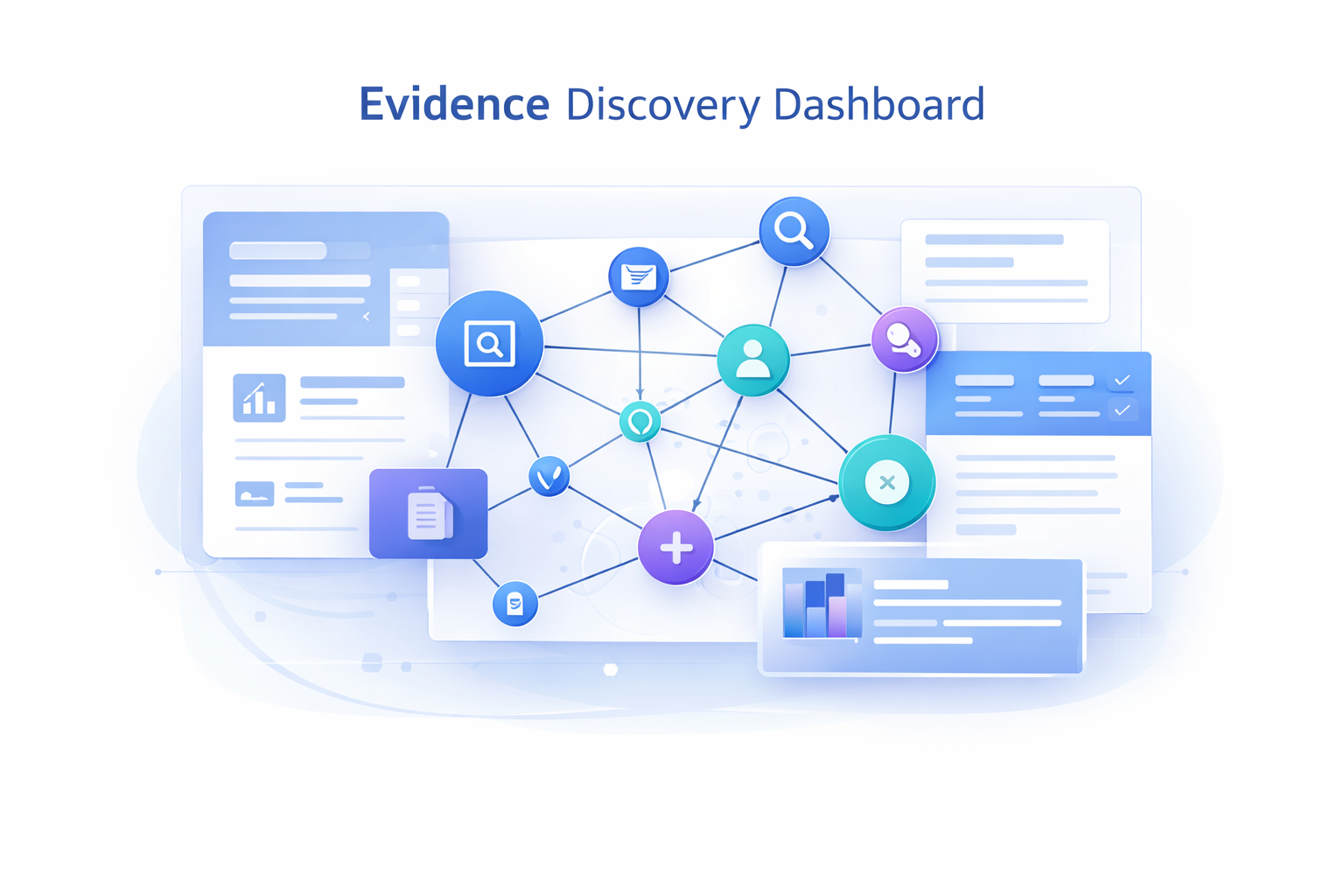
Production MLOps platform managing multiple ML models with real-time monitoring and A/B testing. Achieves 10K predictions/sec while enabling zero-downtime deployments and intelligent ensemble routing.
An intelligent learning analytics system that uses GraphRAG to track student learning journeys, identify knowledge gaps, and provide personalized recommendations based on concept relationships and learning pathways.
A graph-based Retrieval-Augmented Generation system that leverages knowledge graphs to enhance contextual understanding and improve LLM responses through structured relationship mapping.
A framework for discovering causal relationships from observational data and constructing causal graphs that enable counterfactual reasoning and intervention analysis for robust decision-making.
Explanation pipelines that cut model-debugging time 50% and lifted user trust scores 35%, turning opaque model behavior into human-readable, inspectable decisions.
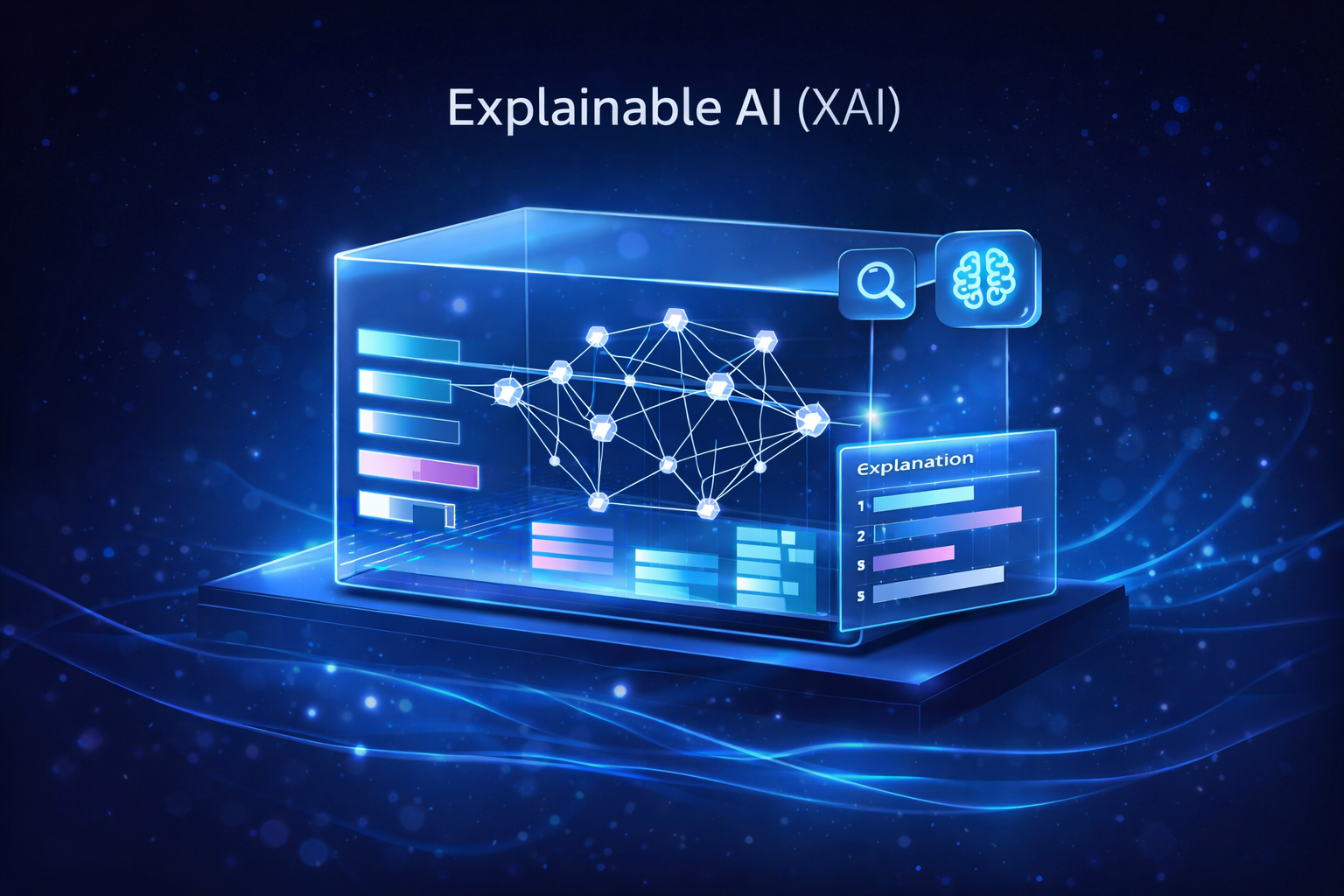
Published in ACM Computing Surveys (2026), this comprehensive survey reconceptualizes explainability as a reflexive, system-level property spanning the entire ML lifecycle, introducing a cognitively grounded taxonomy and lifecycle-centric architecture for XAI.
Evaluation framework that took experiment reproducibility from ~40% to 100% and cut iteration cycles by 30% — replacing single-score benchmarks with multi-dimensional faithfulness, quality, and performance metrics.
Built a comprehensive framework for making machine learning models interpretable and transparent. Implemented various XAI techniques including SHAP, LIME, and feature importance analysis.
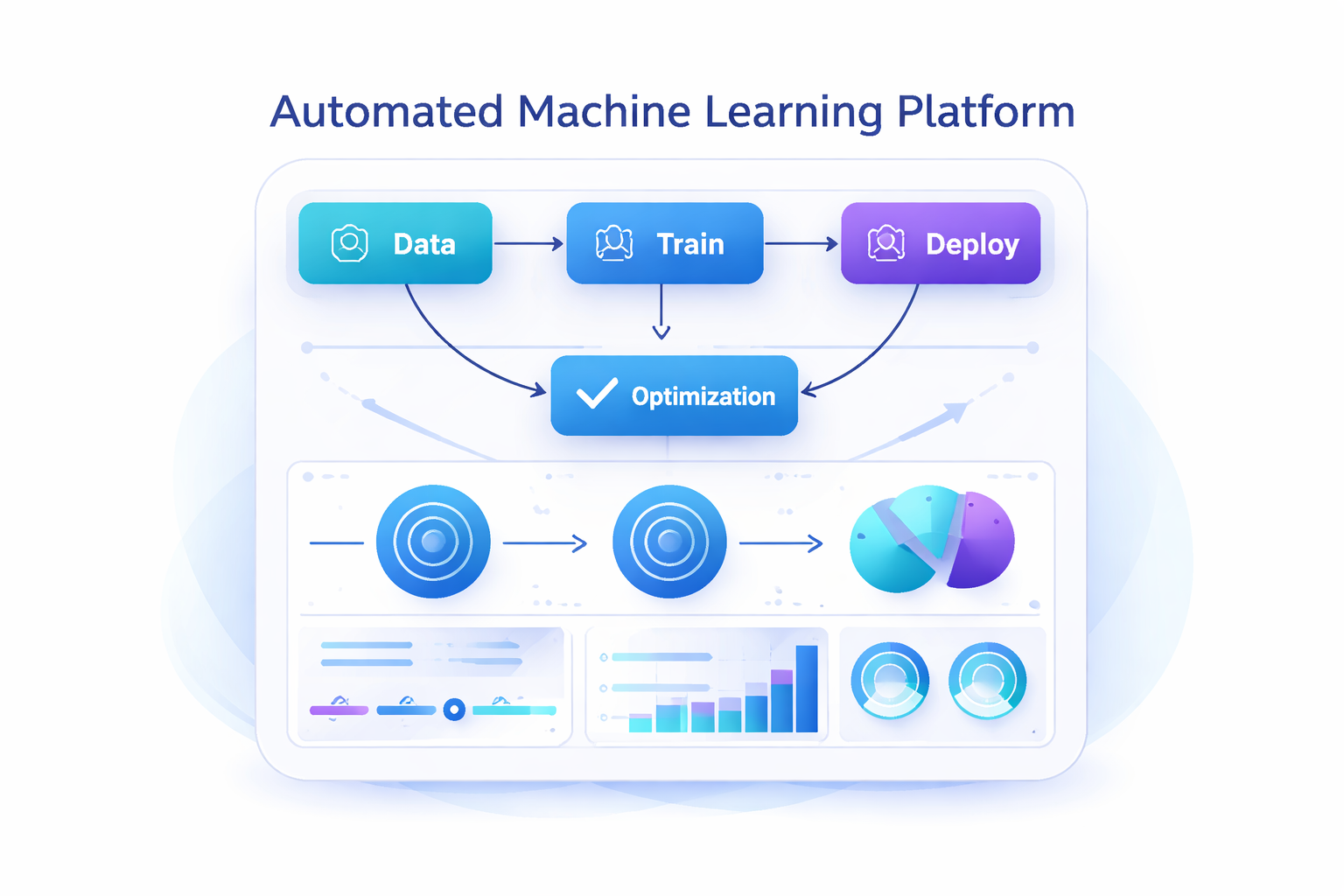
AutoML platform reducing model development time by 70% with automated feature engineering and Bayesian optimization. Achieves 95%+ of manually-tuned performance while democratizing ML for non-experts.
Deep learning stock forecasting system achieving 15% accuracy improvement through LSTM-attention hybrid architecture. Combines traditional time series with neural ensembles for multi-horizon predictions.
Deep learning NLP system achieving 85% accuracy in predicting Big Five personality traits from text. Leverages BERT transformers and psycholinguistic features for HR, healthcare, and marketing applications.
Created an innovative virtual reality-based training simulator for medical ultrasound procedures. Combines computer vision and haptic feedback for realistic training experience.
Field study that instrumented classrooms with tunable lighting and found it raised quiz scores 8% and cut afternoon eye-strain reports 20%, versus static fluorescent lighting.
A standalone C#/.NET tool that converts mathematical equations in Word documents (OMML) into LaTeX, letting blind and visually-impaired users produce properly structured math documents without a sighted transcriber.
Built Virtual Peer, a RAG/GraphRAG advising assistant serving 5,000+ students a month at 99.5% uptime and $0.15/query (down from $8), earning a Vice-Chancellor's Award and a People's Choice Award. Led multi-agent orchestration and knowledge-graph design for scalable, explainable, policy-compliant decision support.
Led the development of a multi-agent LLM orchestration framework for intelligent advising, integrating knowledge graphs and RAG-based solutions to enhance decision-making processes and student support services.
Developed and deployed RAG-based and GraphRAG-based intelligent advising solutions, including chatbot, for courses and student progression, leveraging multi-agent LLM orchestration and knowledge graphs to deliver scalable, explainable, and policy-compliant decision support.
Shipped ML models and explainability frameworks into production for small-business lending decisions, building drift-monitoring dashboards that catch performance degradation before it hits the business.
Built a computer vision model for real-time road sign detection and tracking, improving accuracy and inference speed, then containerized it with Docker for reproducible, scalable deployment.
Designed and delivered undergraduate and postgraduate coursework in computer science and data science, building hands-on lab exercises that gave students real experience with production tools and datasets.
Taught undergraduate programming, algorithms, and data structures, and mentored students through independent research projects, fostering a culture of inquiry and innovation.
Contributed to machine learning and data analysis research, from literature review through algorithm implementation, co-authoring publications in peer-reviewed journals.