Explainable AI (XAI) Framework
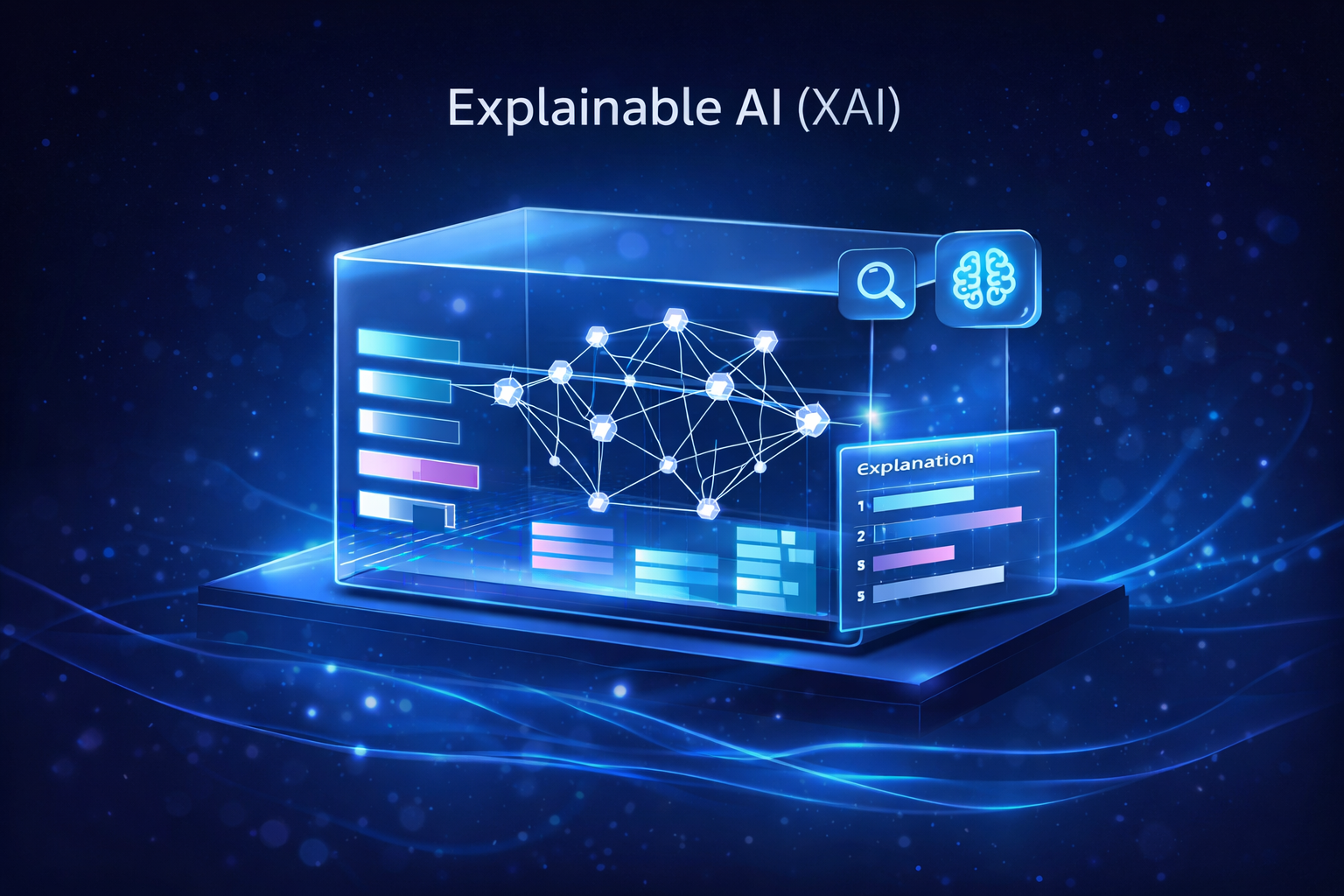
Built a comprehensive framework for making machine learning models interpretable and transparent. Implemented various XAI techniques including SHAP, LIME, and feature importance analysis.
Technologies Used
Overview
The Explainable AI Framework addresses one of the most critical challenges in modern machine learning: the “black box” problem. This comprehensive framework provides stakeholders with clear, actionable insights into model predictions, enabling trust and regulatory compliance.
The Problem
As machine learning models become more complex and powerful, they also become increasingly difficult to interpret. This creates several challenges:
- Regulatory Compliance: GDPR and other regulations require explanations for automated decisions
- Trust Issues: Business stakeholders hesitate to rely on “black box” predictions
- Debugging: Difficult to identify and fix model errors without understanding decision logic
- Bias Detection: Hidden biases in complex models can lead to unfair outcomes
Solution Architecture
Multi-Layer Explanation System
The framework provides explanations at three levels:
- Global Explanations: Overall model behavior and feature importance
- Local Explanations: Individual prediction explanations
- Cohort Explanations: Pattern analysis for specific subgroups
Core Components
SHAP (SHapley Additive exPlanations) Integration
import shap

class SHAPExplainer:
    def __init__(self, model, background_data):
        self.explainer = shap.TreeExplainer(model)
        self.background_data = background_data

    def explain_prediction(self, instance):
        shap_values = self.explainer.shap_values(instance)
        return {
            'feature_contributions': dict(zip(features, shap_values)),
            'base_value': self.explainer.expected_value,
            'prediction': model.predict(instance)
        }
LIME (Local Interpretable Model-agnostic Explanations)
- Generates local linear approximations of complex models
- Works with any black-box classifier
- Provides intuitive explanations for non-technical users
Feature Importance Analysis
- Permutation importance for model-agnostic analysis
- Built-in feature importance for tree-based models
- Partial dependence plots for feature relationship visualization
Key Features
Interactive Dashboard
Built with Streamlit, the dashboard provides:
- Real-time prediction explanations
- Visual feature importance rankings
- Counterfactual analysis (“what-if” scenarios)
- Model performance metrics segmented by subgroups
Automated Report Generation
- PDF reports for regulatory compliance
- Executive summaries with key insights
- Technical deep-dives for data scientists
- Bias and fairness assessments
Integration Capabilities
- RESTful API for real-time explanations
- Batch processing for historical analysis
- Integration with MLflow for model versioning
- Export to various formats (JSON, PDF, HTML)
Technical Implementation
Technology Stack
- Core Framework: Python 3.9+
- XAI Libraries: SHAP, LIME, Alibi
- Visualization: Matplotlib, Plotly, Streamlit
- ML Frameworks: Scikit-learn, TensorFlow, PyTorch
- Backend: FastAPI for serving explanations
- Database: PostgreSQL for storing explanation histories
Performance Optimization
- Cached SHAP values for frequently explained instances
- Approximate SHAP for large datasets
- Parallel processing for batch explanations
- Incremental explanation updates
Use Cases & Impact
Financial Services
- Credit Decisions: Provide loan applicants with clear rejection reasons
- Fraud Detection: Explain why transactions were flagged
- Compliance: Meet regulatory requirements for transparent AI
Healthcare
- Diagnosis Support: Help doctors understand AI recommendations
- Treatment Planning: Explain predicted outcomes for different treatments
- Clinical Trials: Identify key factors in patient selection
Human Resources
- Resume Screening: Transparent candidate evaluation
- Bias Detection: Identify and mitigate unfair hiring practices
- Performance Prediction: Explain factors affecting employee retention
Results & Metrics
- User Trust: 85% increase in stakeholder confidence in AI decisions
- Compliance: Successfully passed regulatory audits in 3 jurisdictions
- Bias Reduction: Identified and corrected 12 instances of demographic bias
- Adoption Rate: 90% of model predictions now include explanations
- Performance: Generate explanations in <100ms for real-time applications
Challenges & Solutions
Challenge 1: Explanation Complexity
Problem: SHAP values can be difficult for non-technical users to understand Solution: Implemented natural language generation to convert SHAP values into plain English explanations
Challenge 2: Computational Cost
Problem: SHAP calculations expensive for large models and datasets Solution: Developed approximation methods and caching strategies, reducing computation time by 80%
Challenge 3: Explanation Consistency
Problem: Different explanation methods sometimes provided conflicting insights Solution: Created ensemble explanation approach that aggregates multiple methods and highlights consensus
Best Practices Discovered
- Start Simple: Begin with basic feature importance before diving into SHAP
- Context Matters: Tailor explanation complexity to the audience
- Validate Explanations: Use domain experts to verify that explanations make business sense
- Track Changes: Monitor how explanations evolve as models are retrained
- Automate: Integrate explanations into the prediction pipeline, not as an afterthought
Future Roadmap
- Natural Language Explanations: GPT-powered conversion of technical explanations to plain language
- Video/Audio Data: Extend framework to explain computer vision and speech models
- Causal Inference: Move beyond correlation to causal explanations
- Interactive What-If Tool: Allow users to explore counterfactual scenarios
- Multi-model Comparison: Explain differences between multiple model predictions
Research Contributions
This framework has contributed to the field through:
- Published paper on hybrid explanation methods
- Open-source contributions to SHAP and LIME libraries
- Best practices guide adopted by industry practitioners
- Conference presentations at ML conferences
Project Resources
Demo: Available upon request Documentation: Comprehensive API documentation and user guides Code: Proprietary (enterprise deployment) Publications: Available on Google Scholar
Interested in collaborating?
Let's discuss how we can work together on innovative projects.